
Gutter Condition
Start with the system.

Choose Protection That Fits Your Gutters
Compare gutter guards for your roofline, trees and existing gutters. Understand how each option fits and what maintenance it will still need.
Call About Gutter Guards
Gutter Condition
Start with the system.
Debris Around You
Consider what collects.
Roofline Fit
Review edge details.
Water Entry
Keep runoff in view.
Maintenance Access
Plan for future care.
Guard Scope
Compare the options.
Start with the Existing System
Gutter guards cover or screen the gutter opening to limit debris entering while admitting runoff. They change how the system is maintained; they do not replace the gutter, its supports or the route to the downspout.
Discuss loose sections, recurring overflow or damaged supports before choosing covers. Ask whether preparation or repair is needed, how the guard fits the roof edge and how gutters and outlets can be reached for maintenance.


Different Debris. Different Questions.
Large leaves, needles and fine material do not behave the same way. Describe what collects on your roof and in your gutters before comparing designs.
01
Discuss whether leaves tend to lie across a cover or collect where roof valleys direct runoff.
02
Ask how the proposed opening or mesh relates to the material around your home.
03
Consider how collected material can be removed and how the gutter remains accessible.
Compare the Fit
Review loose sections, alignment and existing flow concerns before adding covers.
Compare the proposed guard design with nearby leaves, needles and small particles.
Discuss the attachment method and compatibility with your roof edge and gutter profile.
Ask how the product can be cleaned, inspected and removed when necessary.
Understand the Options
These names describe different ways of admitting water and limiting debris. Compare the actual product, how it attaches and how it can be maintained. No broad category name establishes the best fit for every roof or tree.
Screen designs place openings over the gutter. The opening size and surface shape matter when comparing broad leaves with needles or smaller debris. Material that stays on top can still need removal.
Fine-mesh designs use a filtering surface over the gutter opening. The mesh, supporting frame and attachment form one product system; the mesh label alone does not establish how it will perform or be maintained.
Solid-cover designs use a shaped edge or entry opening to guide water into the gutter. Compare that entry path with the roof edge, corners and concentrated runoff. A solid top does not remove every cleaning or access concern.
The gutter profile, roof-edge attachment and access to outlets matter whichever design is proposed. Product instructions should explain inspection and cleaning; opening or removing a section may require a different approach from cleaning an uncovered gutter.
Keep the Whole Route Working
Gutter guards sit at the entry point. Water still needs to travel through the gutter, outlet and downspout to a suitable discharge route.
Share any existing overflow before covers are selected. If the gutter is damaged or misaligned, discuss gutter repair first. If you are planning new gutters, the guard choice can be considered with the installation layout.

The Gutter Guard Process
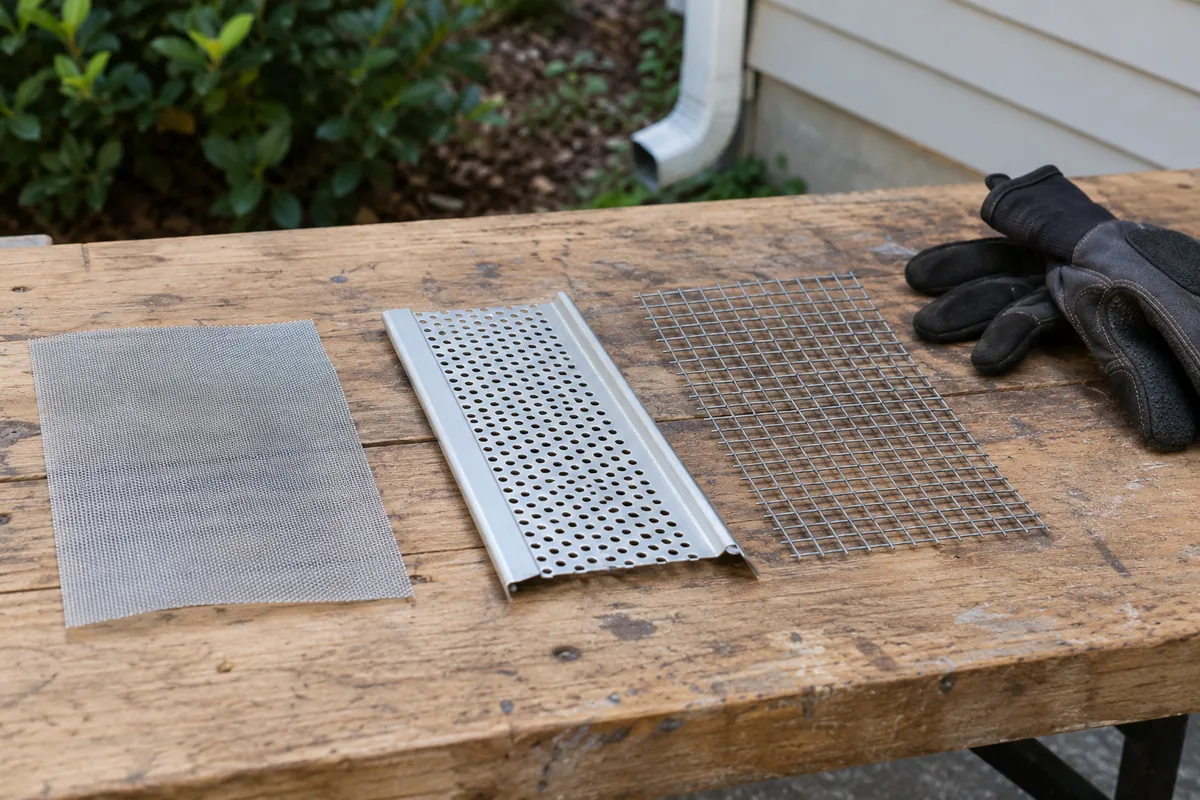
Review the gutter profile, roof edge and proposed guard design.

Confirm the preparation and fit the covers within the agreed scope.
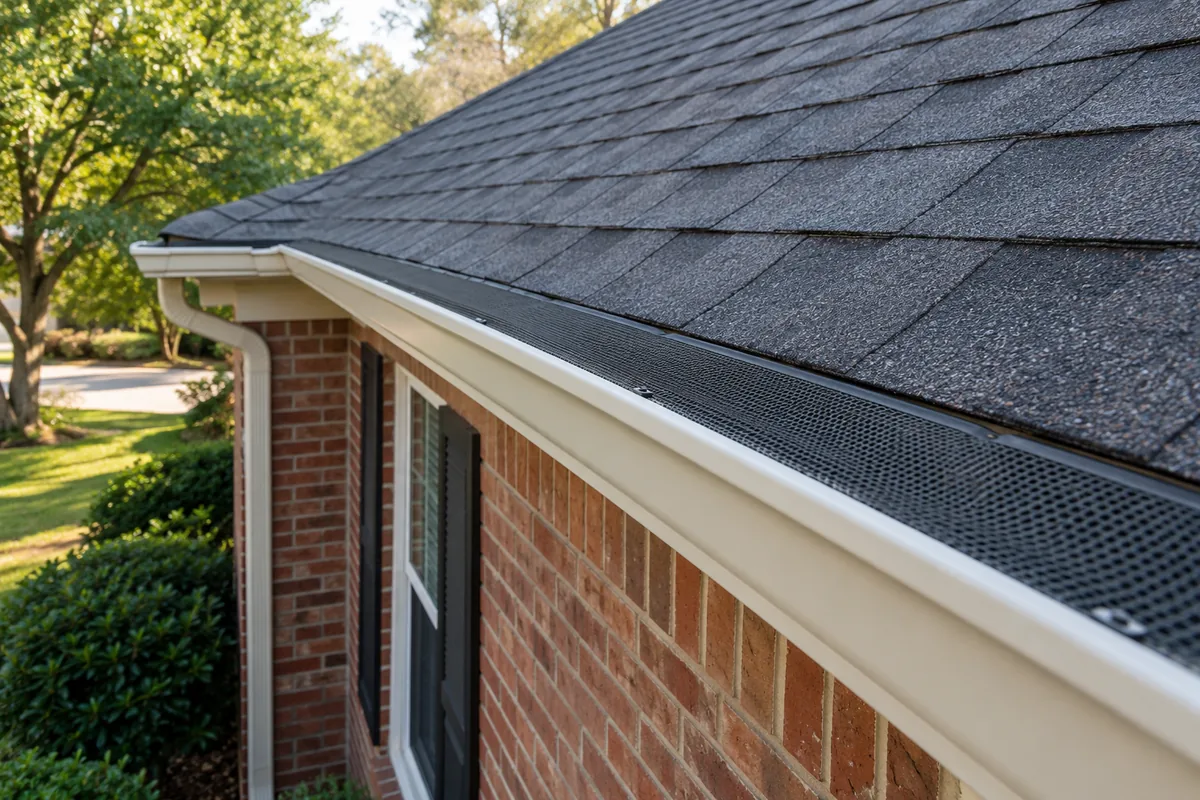
Discuss the fitted areas, product information and maintenance access.
The Gutter Guard Estimate
Compare proposals by product name, covered gutter runs and preparation included. Confirm whether gutter cleaning or repairs are included or separately scoped, and clarify the price and approval needed for additional work.
Call for a Gutter Guard Estimate →The guard product and profile proposed
The gutter lengths and areas to be covered
Cleaning or repair needed before fitting
Attachment details and access considerations
Product documentation and maintenance guidance

An Atlanta Home. A Specific Fit.
Mature trees can make covers worth discussing, but nearby debris is only part of the decision. Porches, roof valleys, gutter profiles and access all shape the fit.
Talk directly with Atlanta Gutter Specialist about your current gutters and the maintenance challenge you want to address, then compare the available options.

Questions Before Choosing Guards
Guards can reduce debris entering a gutter, but they do not remove the need for maintenance. Our gutter guard cleaning guide explains surface buildup, material beneath covers and the access questions to resolve before choosing a product. When comparing a new cover, see mesh versus solid gutter guards.
Keep the product name, covered runs, preparation and maintenance instructions together. If a cover is displaced or damaged, identify the affected area before deciding whether it can be refitted, a matching part can be replaced or a different product is needed.
Before Your Gutter Guard Conversation
Mention the leaves, needles and fine debris around the roof.
Share existing covers, gutter condition and known overflow areas.
Discuss maintenance access, appearance and the areas you want covered.
BEFORE YOU DECIDE
Look beyond the cover: clarify maintenance access and understand the roof-edge questions that may need a separate assessment.

HOMEOWNER GUIDE
Understand guard surface care, interior and outlet questions, product instructions and maintenance access. Use a practical record to clarify the proposed work.

HOMEOWNER GUIDE
Understand roof-edge and roof-wall water paths, what stains cannot establish, and the questions to ask before choosing gutter or flashing work.
Gutter Guards Questions
No. Material can gather on top of a cover and fine debris may enter the gutter. The design, tree cover and roof layout influence the care required. Ask for the maintenance guidance for the specific product.
That depends on the gutter condition, profile, alignment and proposed attachment method. Any cleaning, repair or other preparation should be discussed before fitting covers.
Ask how the available products handle the size and shape of the debris around your home. Compare the openings, surface design, runoff considerations and maintenance access rather than choosing from a general claim alone.
A cover does not resolve every cause of overflow. Existing restrictions, alignment issues, damage and concentrated runoff need consideration. Share those symptoms before a product is selected.
They can be considered as part of a new-system conversation. Discuss the gutter profile, roof edge, downspout layout and guard compatibility together so the proposal explains how the components fit.
If product or workmanship coverage is offered, request the written terms, provider, exclusions and maintenance requirements. Keep the documentation for the specific proposal.
Compare the specific product, gutter lengths to be covered, roof-edge attachment, property height and access. Existing debris, damaged gutters or old covers can add preparation or removal work. The quote should distinguish those items from fitting the new guards and explain any separate work before you compare prices.
A loose cover, a bent panel and repeated blockage are different concerns. The product condition, attachment and availability of compatible parts determine whether refitting or replacing an affected section is practical. A new cover will not correct a damaged gutter or support beneath it, so those conditions need their own assessment.
Ready to Talk About Your Home?
Start with a conversation about your home.