
Leak Location
Trace the trouble spot.

Find the Cause. Plan the Repair.
Gutter repair for leaks, sagging runs and loose connections. Start with the affected area, the surrounding supports and a clear scope for the repair.
Call About Gutter Repair
Leak Location
Trace the trouble spot.
Gutter Alignment
Review how water moves.
Secure Attachment
Look at support points.
Downspout Flow
Follow the outlet route.
System Condition
Consider nearby gutters.
Repair Scope
Define the repair.
Start with the Source
Gutter repair can address a leaking joint, a loose attachment, a damaged length or a disconnected downspout. These are different jobs: resealing a joint does not correct a sagging run, and clearing debris does not restore damaged supports. The finding should determine the repair.
The repair recommendation should explain the finding, what will change and which nearby components will remain. A visible drip alone does not establish which method is suitable.

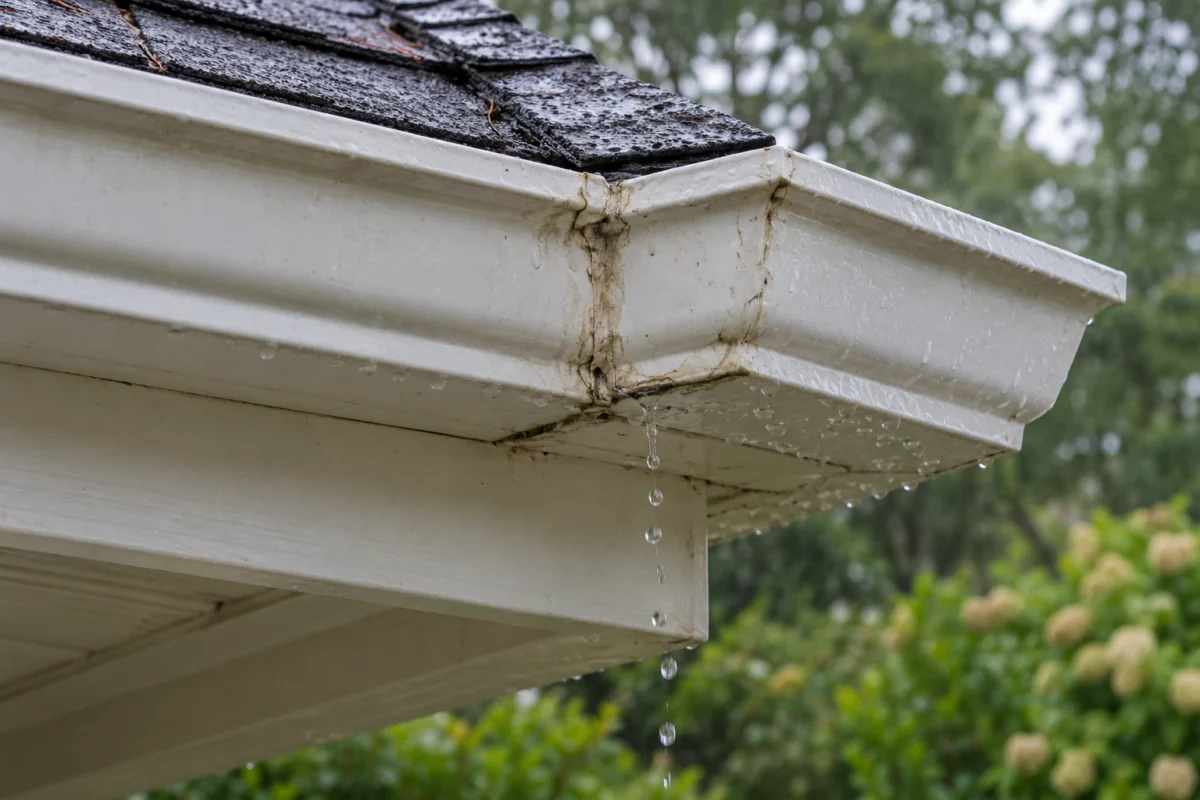
What Your Gutters Are Telling You
Use the symptom to identify the area for assessment, rather than choosing a repair method from the ground.
01
Seams, corners and end caps deserve a closer look when drips repeat in one place.
02
Alignment, hangers and the supporting fascia can all affect how a section drains.
03
Describe any visible separation at outlets or downspout connections from a safe position on the ground.
Common Gutter Repairs
Seams, corners and end caps can develop localized leaks. The joint and adjoining material determine whether a repair is suitable; repeated separation needs a review of preparation and support.
Loose hangers, fasteners or deteriorated fascia can let a run move. The repair must account for both the gutter attachment and the condition of the material behind it.
A damaged length may be replaced while sound adjoining gutters remain. Matching the profile, size, finish and connections helps determine whether a targeted repair is practical.
Separated elbows or pipes interrupt the water route. A repair should identify the affected joints, lengths and supports, with buried-drain concerns assessed separately.
Repair or a Wider Change?
A focused repair may suit a sound system with one affected area. Repeated failures across several runs deserve a wider discussion.
Is the concern isolated, or are several sections separating, corroding or losing alignment?
Will the fascia or other supporting material need attention before gutter work?
Can the existing profile, fittings and finish be matched for a practical repair?
Has the same area been repaired before, and what may be causing the issue to return?
Follow the Water
Where the water appears matters. A drip from a joint, water overtopping the front and water running behind the gutter can have different causes. Outlet restrictions, alignment and roof-edge details need to be distinguished before choosing a repair.
Ask how the proposed gutter repair relates to nearby runs and the route away from your home. If several sections are worn, compare the scope with gutter installation and replacement before choosing a direction.
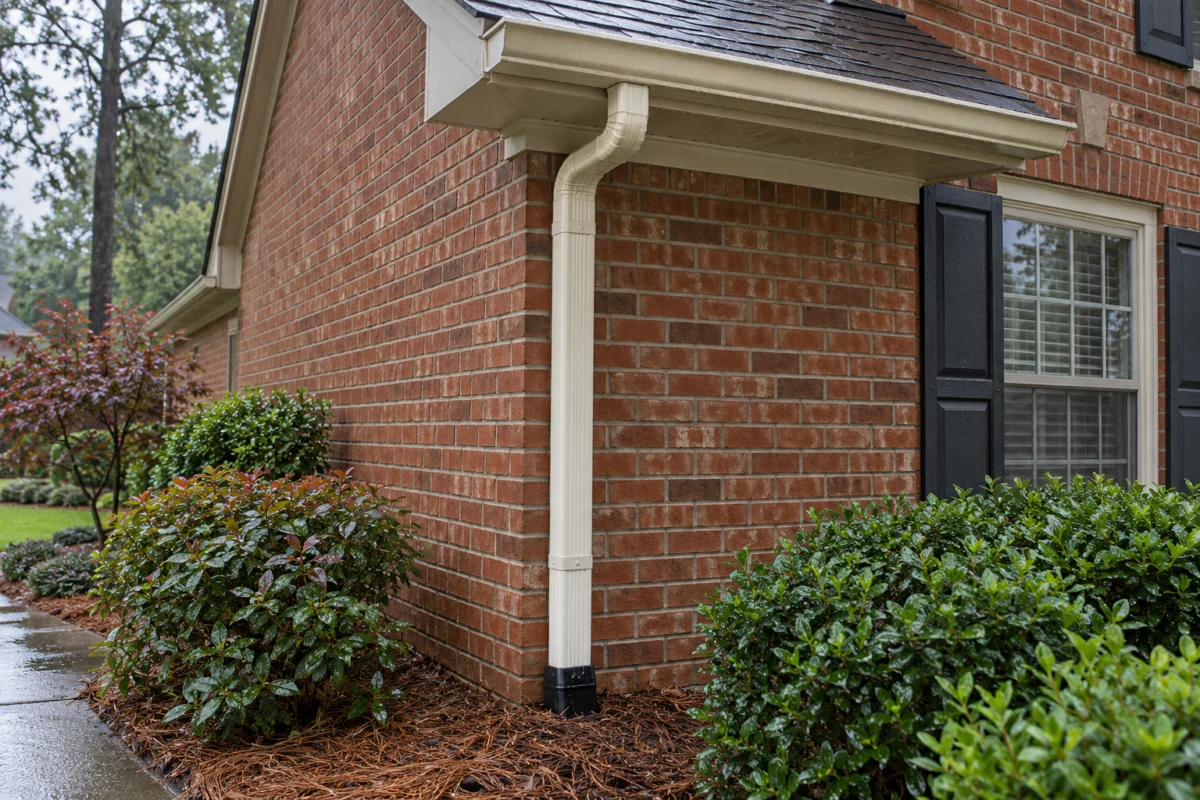
The Repair Process

Identify the affected components and the conditions around them.
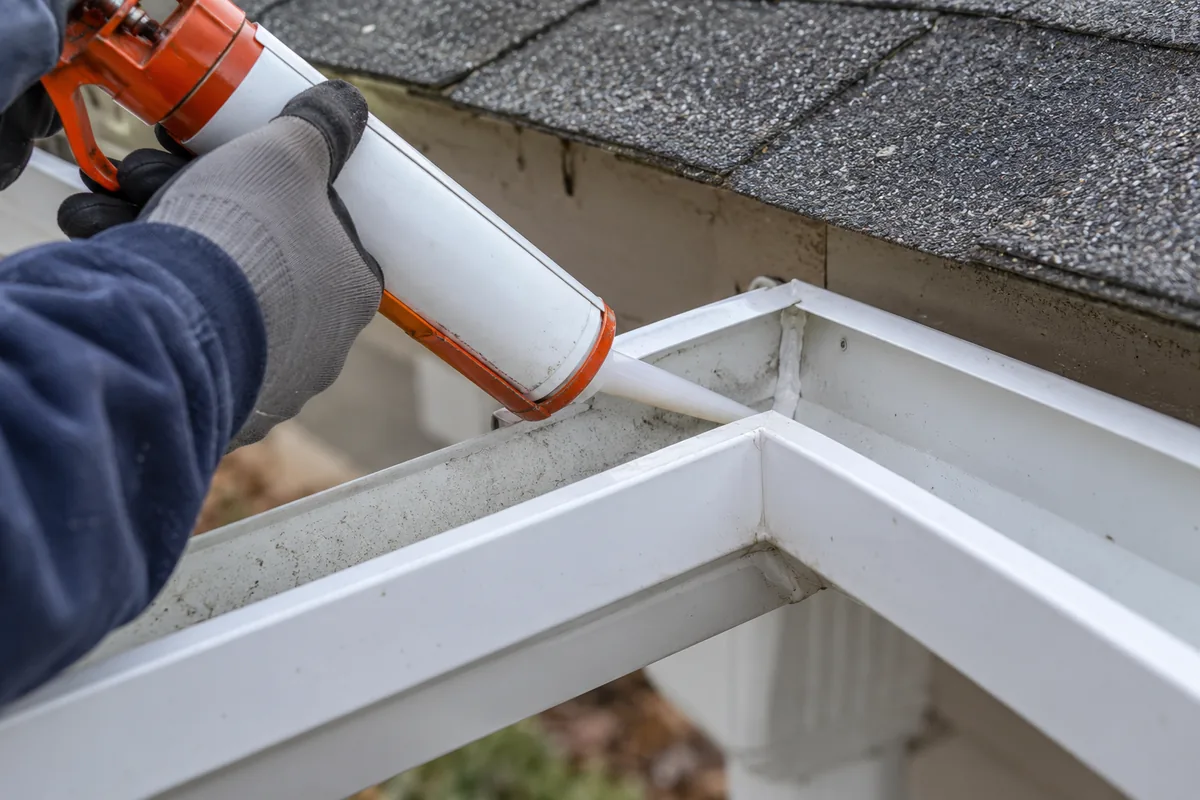
Address the components included in the agreed repair scope.
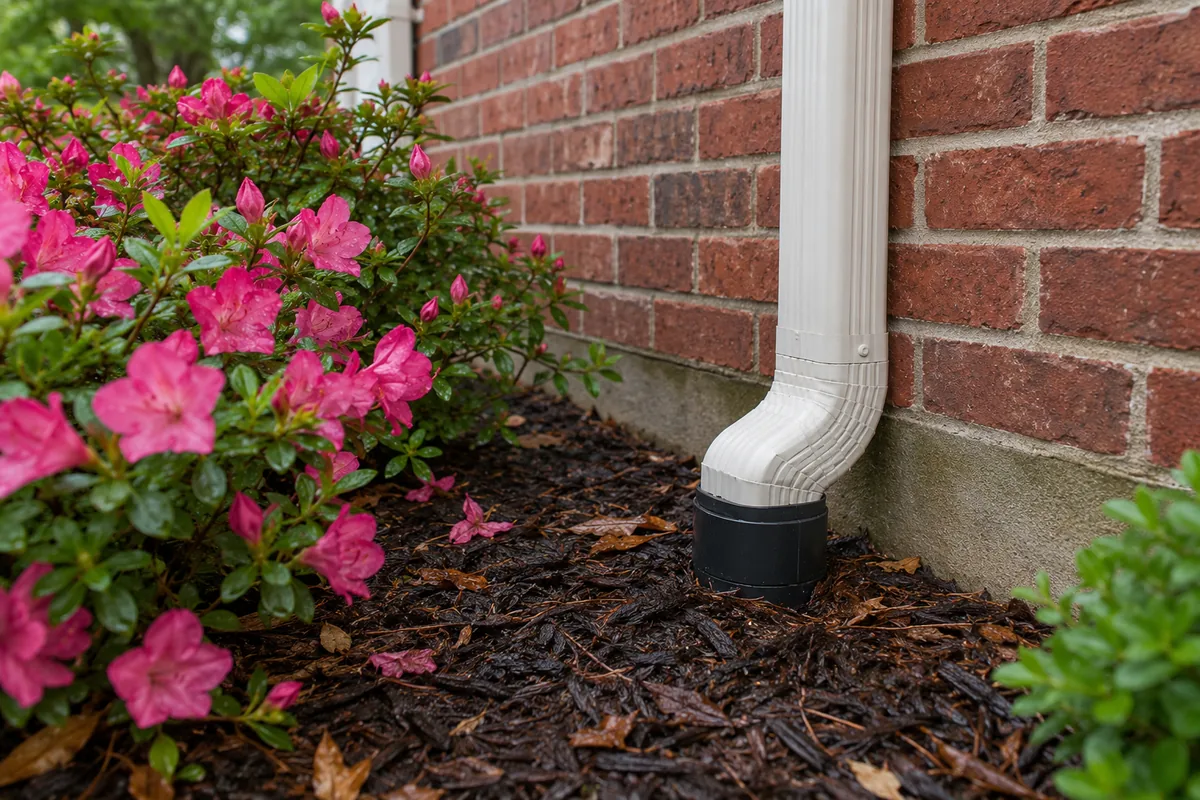
Review the parts addressed, the work completed and what was checked within the agreed scope. Record any remaining flow, support or roof-edge concern separately so a completed joint repair is not mistaken for an assessment of every part of the system.
The Repair Estimate
A repair estimate should name the affected connection or section, the proposed work and what will be retained. Related fascia, roof-edge or drainage work should be identified separately.
Call to Discuss Gutter Repair →The gutter runs and connections affected
The repair method and components proposed
Access needs and existing gutter guards
Any fascia or roof-edge work to discuss separately
Debris removal and how the repair will be checked

An Atlanta Starting Point
Porches, roof valleys, trees and changing ground levels make every drainage route different. A repair that fits one corner may not address another.
Talk directly with Atlanta Gutter Specialist about gutter repair. Call with your location and the issue you see so we can start with your home, existing gutters and priorities.

Gutter Repair Questions
Keep the observation, the proposed repair and any unassessed parts separate. Our gutter repair mistakes guide shows how to compare those details without assuming the same patch fits every leak. For specific concerns, see leaking joints and end caps or sagging gutter supports.
Bring the location, when the concern appears and any earlier repair records. The estimate should identify the affected parts, proposed method, what remains unassessed or excluded and how any further findings will be reported.
Before Your Repair Conversation
Identify the corner, wall or downspout where the issue appears.
Mention rain, lingering drips and whether the concern keeps returning.
Explain any previous repairs and visible changes around the gutter.
BEFORE YOU DECIDE
Compare repair and replacement questions, or learn what to check when gutters still overflow after cleaning.

HOMEOWNER GUIDE
Compare gutter repair and replacement by condition, cause, retained components and written scope. Use a practical worksheet before deciding for your Atlanta home.

HOMEOWNER GUIDE
Still seeing gutter overflow after cleaning? Learn which water paths and system conditions to discuss, and use a ground-level checklist before choosing more work.
Gutter Repair Questions
A localized seam issue may be repairable when the surrounding gutter and supports remain sound. The joint condition and cause of the leak need to be reviewed before choosing a method.
Not always. The affected length, alignment, hangers and fascia condition matter. A wider replacement discussion may be useful when several areas are worn or recurring failures affect the system.
Downspout joints, outlets and attachment points can be discussed with the gutter concern. Confirm which connections and lengths are part of the proposed repair and whether the discharge route needs separate attention.
That depends on the cause. Debris, outlet restrictions, alignment, capacity and damage can each contribute. Ask which cause the proposed work addresses rather than assuming every overflow needs the same repair.
The price depends on the affected length, access and property height, matching components, existing guards and support condition. A small joint repair and a length replacement are different scopes. Compare the proposed work, retained parts and any separate fascia or roof-edge assessment, rather than a price for an undefined gutter repair.
Describe the debris and the repair concern when you call. Ask whether cleaning is needed to assess the system and whether it is part of the proposed work. Avoid climbing to investigate it yourself.
Sometimes a localized alignment or support problem can be addressed while sound gutters remain. The existing profile, attachment points, fascia and outlet position all affect what is practical. Persistent water in a clear gutter needs assessment; adding sealant or removing debris does not change its slope. Read our gutter slope and standing-water guide for the distinction.
Water behind a gutter can involve the roof edge, flashing or the way runoff enters the gutter, rather than a leaking gutter seam. At the lower end of a roof-to-wall junction, a kick-out detail can direct runoff away from the wall toward the gutter. Describe the location and request the appropriate assessment before assuming resealing the gutter will resolve it. See water behind the gutter and flashing.
Ready to Talk About Your Home?
Start with a conversation about your home.